
When I look at club length, your height and wrist-to-floor measurement can give us a starting point, but I also want to see your posture, movement and contact when you hit shots. A manufacturer’s “standard length” isn’t a personal recommendation, and changing it also affects the club’s balance, so I consider the whole build with you.
GOLF CLUB COACH · MURCIA
Club fitting, explained.
Club specifications can sound complicated at first, so I’ve put together this guide to the terms you’ll hear during a fitting. I always start with the golfer and consider how the head, shaft, grip and overall build work together.
Club length
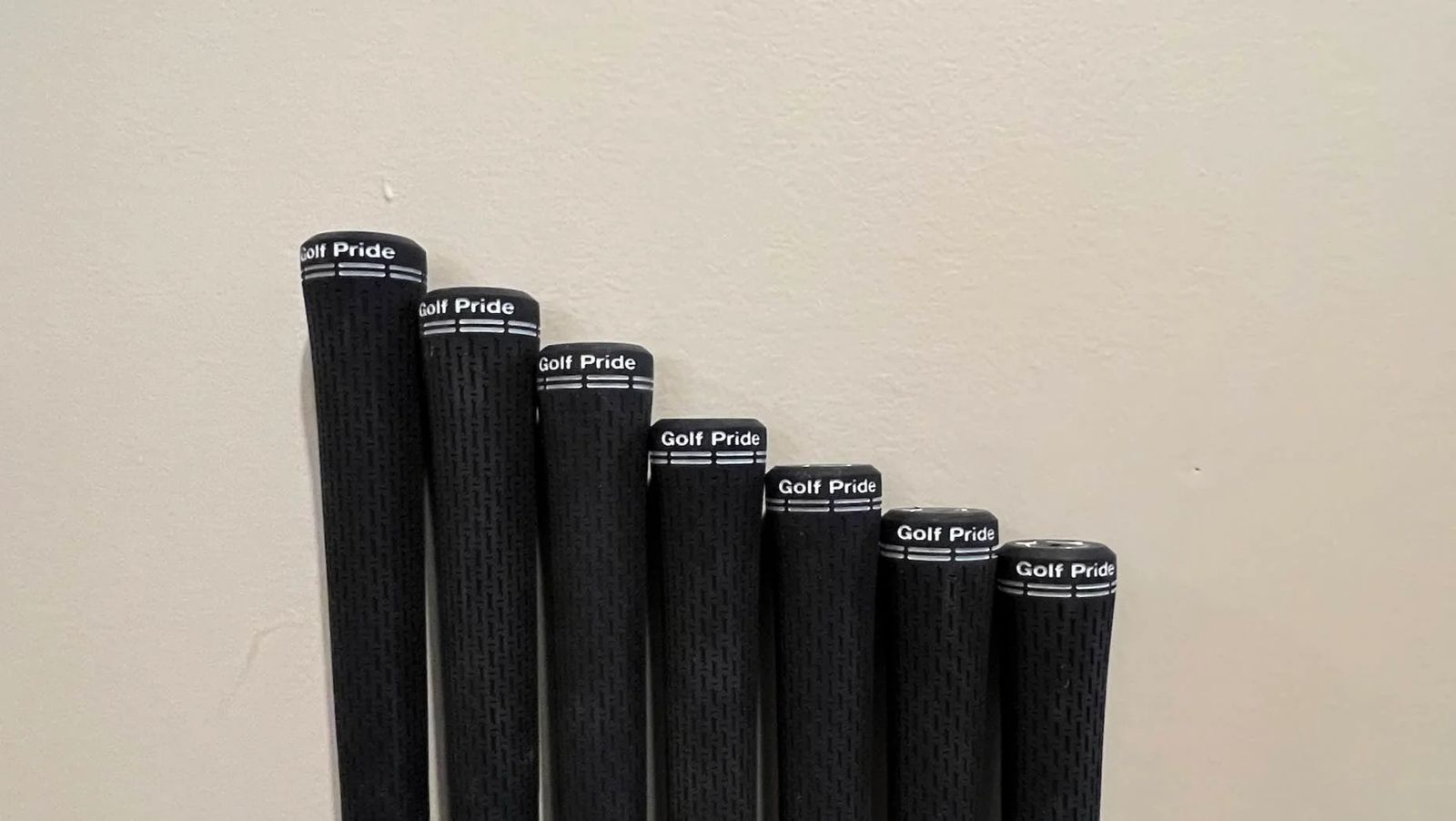
Comparing club lengths.
Shaft flex & bend profile
Shaft flex describes stiffness, although labels such as L, A or Senior, R, S and X don’t tell us everything about a shaft or make it equivalent to another with the same letter. During a fitting, I consider your swing speed alongside your transition, the feel you prefer and the shots you produce, so we can explore a combination that works for you.
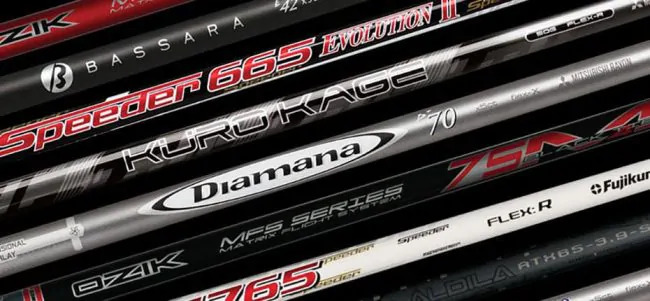
Shafts come in different specifications.
Shaft weight, steel & graphite
When we compare shafts, I look at weight separately from flex, because a lighter shaft isn’t necessarily softer and a heavier one isn’t necessarily stiffer. Both steel and graphite offer options to explore through their specifications, feel and performance in your hands, with graphite available in a range of weights and flexes.
Rather than choosing from the material alone, we’ll talk about how the complete club feels and works for you.
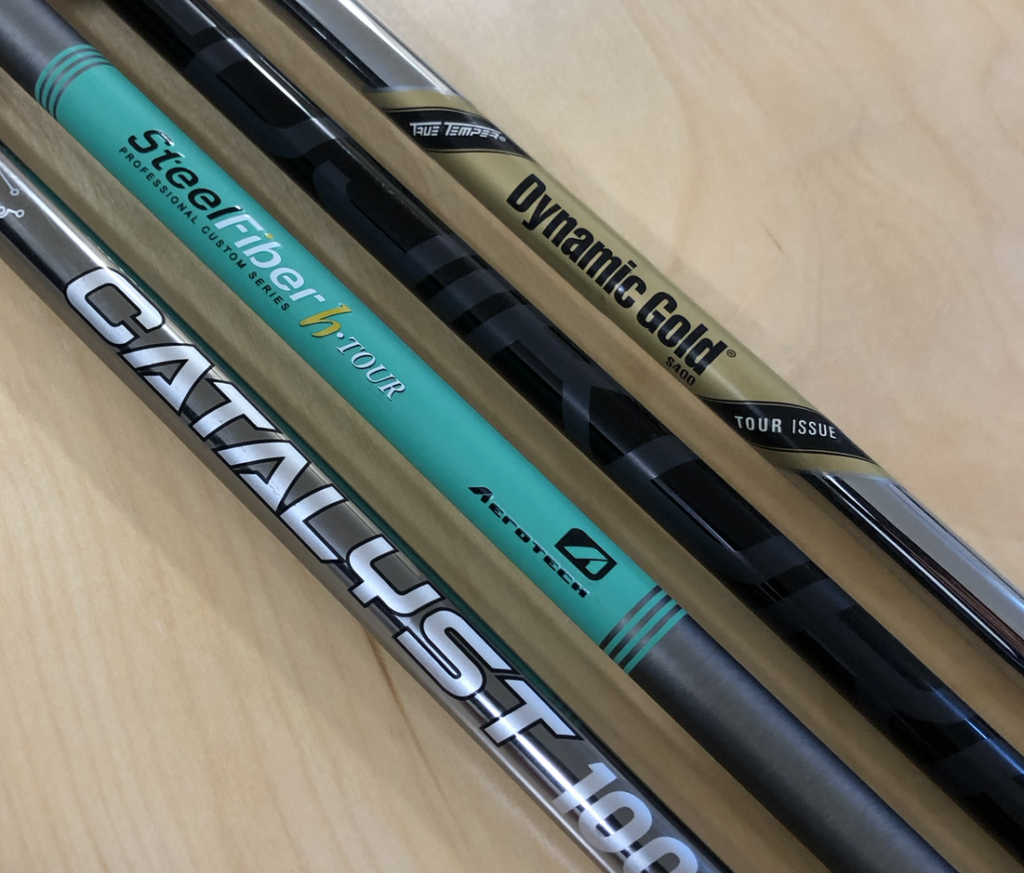
Examples of shaft options.
Club-head design
There’s more to a club head than its appearance, so I consider features such as size, sole shape, offset and forgiveness alongside your contact, ball flight and preferences. Cavity backs, muscle backs and hollow or multi-material heads combine those features in different ways.
Terms such as “cast” and “forged” describe how a head is made, rather than who should play it, which is why I don’t choose a design from your handicap alone.
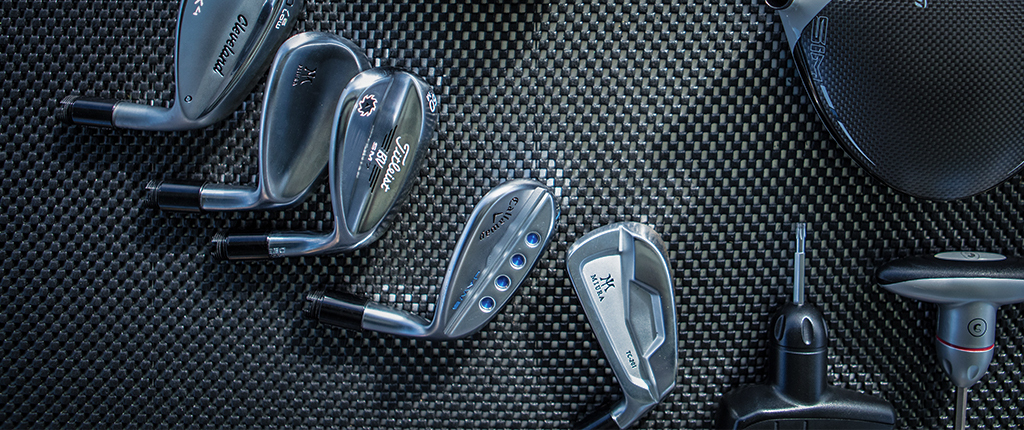
Different club-head designs.
Grip type & size
Because the grip is your connection with the club, I want you to feel comfortable with its size, shape, texture and firmness, whether it’s round or ribbed and whatever its taper. Hand measurements can help us get started, but your feedback and the shots you hit matter too.
We’ll also consider the rest of the club, as a change of grip can alter its total weight and swingweight reading.
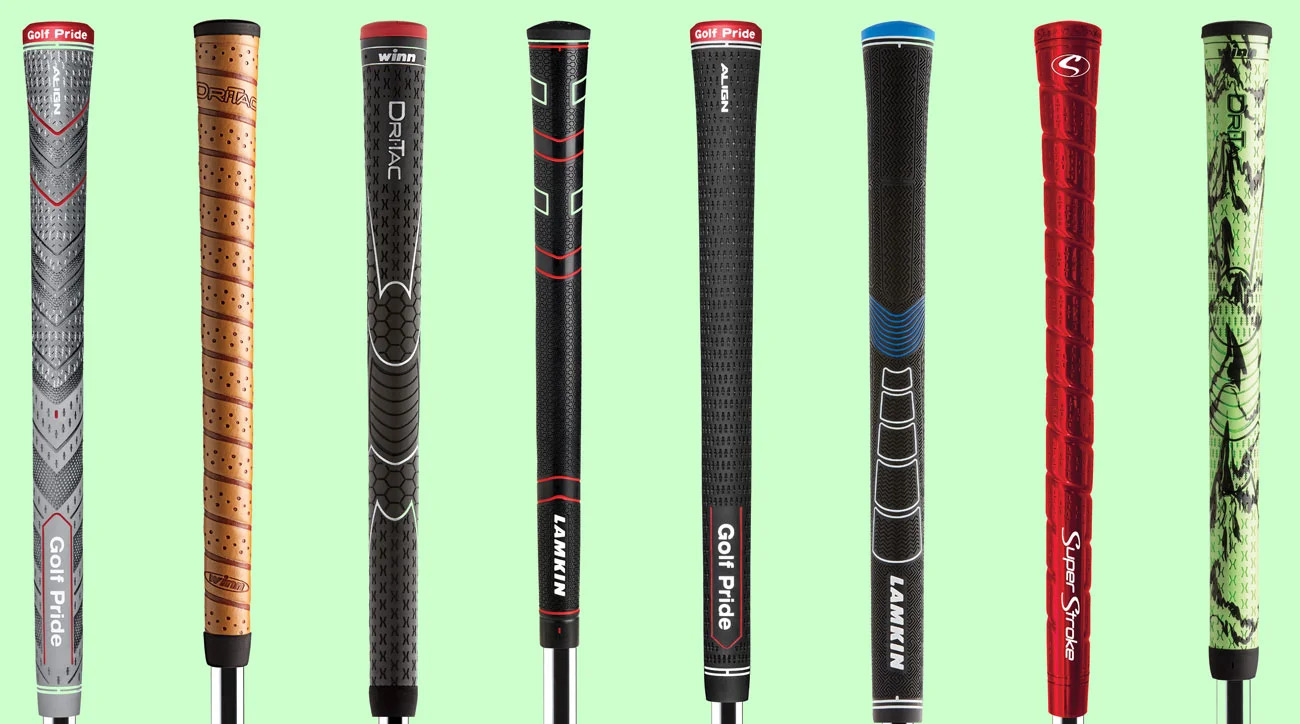
Grip shapes, sizes and textures.
Swingweight & total weight
When I talk about total weight, I mean the mass of the complete club, while swingweight describes its balance around a fixed reference point, usually shown as a letter and number such as D2. The club’s length and the distribution of weight between the head, shaft and grip all contribute to that reading.
A higher or lower number isn’t automatically better, so I look at how you respond to a change through your feel and contact as well as the measurement.
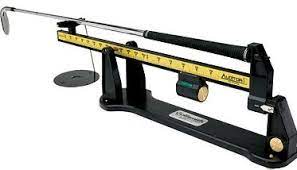
Measuring swingweight.
Loft, lie & distance gaps
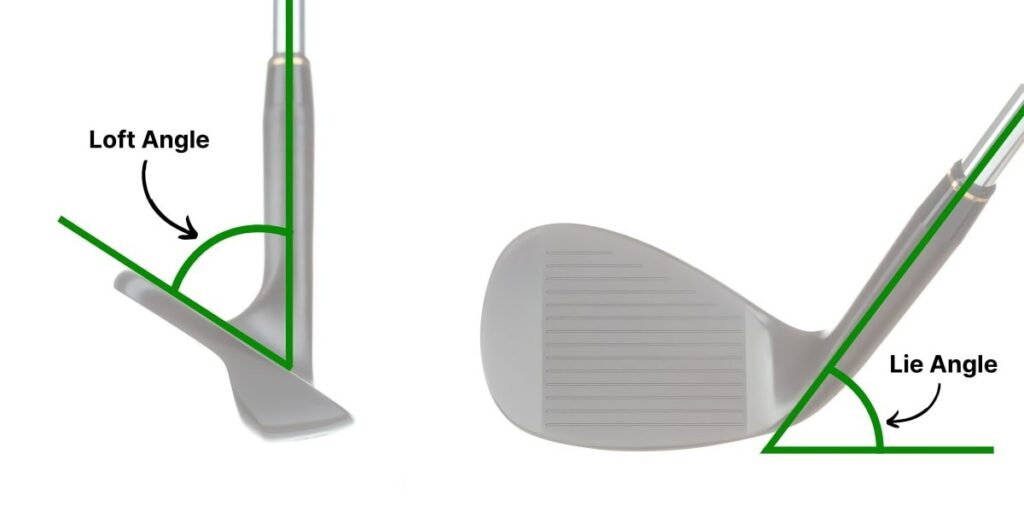
Loft describes the angle of the clubface, while lie describes the relationship between the shaft and the ground in the club’s reference position. I check those specifications alongside how you deliver the club at impact, because the way a lofted face points can be affected by lie, handedness and delivery.
Rather than explain a whole shot pattern with one number, I also look at the distances your clubs actually cover. If two clubs carry a similar distance, we can explore loft, contact and whether a different club type would give you a more useful gap.
Your next step
Bring your clubs and your questions, and we’ll start with what matters for your game, from the essentials for a beginner to the finer details for an experienced player. A fitting is charged as a private lesson, with the session length agreed when you book.

Golf Grip Options Explained | Clubfitting
Golf Club Coach · Original video title


LET’S GET STARTED
Let’s talk about your game.
Whether you’d like a lesson at Alhama Signature Golf or some help with your clubs, send me a message and tell me a little about your game. If you need a repair, include the club model and what needs attention so we can discuss the next step.
I teach at Alhama Signature Golf in Murcia, Spain, and we’ll agree where to meet when you book.